If you’re thinking about replacing your lawn entirely, you’re probably frustrated.
The grass won’t thicken.
Brown spots keep coming back.
Weeds are taking over.
Water pools in certain areas.
Replacing your lawn feels like the only solution.
But in North Texas, full lawn replacement is often the last step — not the first.
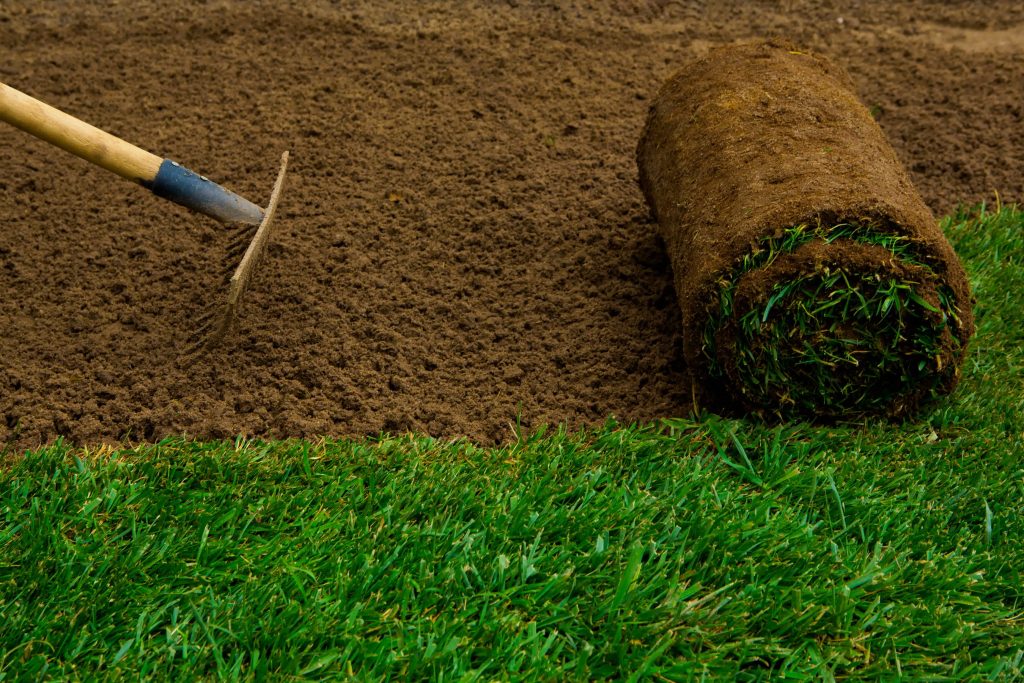
Before investing in sod installation, here’s what you should understand.
When lawns struggle in areas like Justin, Haslet, Rhome, and North Fort Worth, the issue is rarely just the grass itself.
It’s usually:
If you install new sod without fixing those issues, the new lawn will decline the same way the old one did.
Replacing grass without correcting soil structure is like painting over a cracked foundation.
In many cases, lawns that look “dead” are actually salvageable.
Restoration may include:
When soil health improves, grass often rebounds faster than homeowners expect.
Complete replacement isn’t always necessary.
You may not need sod installation if:
In these situations, structural improvement often restores performance.
There are times when replacing your lawn is the right call.
Full sod installation may be necessary if:
Even then, proper soil preparation and grading must happen first.
Otherwise, the cycle repeats.
Many homeowners rush into replacement without diagnosing the cause.
That often leads to:
Replacement without correction is temporary.
Restoration with structure is long-term.
At Lawn Crisis, we evaluate:
Sometimes the best solution is restoration.
Sometimes it’s partial repair.
Sometimes full replacement is necessary.
But guessing is expensive.
Diagnosis saves money.
Clay-heavy soil expands and contracts with moisture changes.
Without aeration and leveling, that movement creates:
If these structural factors aren’t addressed, even new sod will struggle.
Sod gives instant green color.
But true lawn health comes from:
Replacement is visual.
Restoration is structural.
The strongest lawns have both.
If you’re considering replacing your lawn, pause first.
In many North Texas yards, the issue isn’t the grass — it’s what’s happening underneath it.
Fix the foundation, and the lawn often follows.

Thinking about replacing your lawn? Schedule your free consultation first. Let our team evaluate your soil, drainage, and structure so you can make the right long-term decision for your yard.