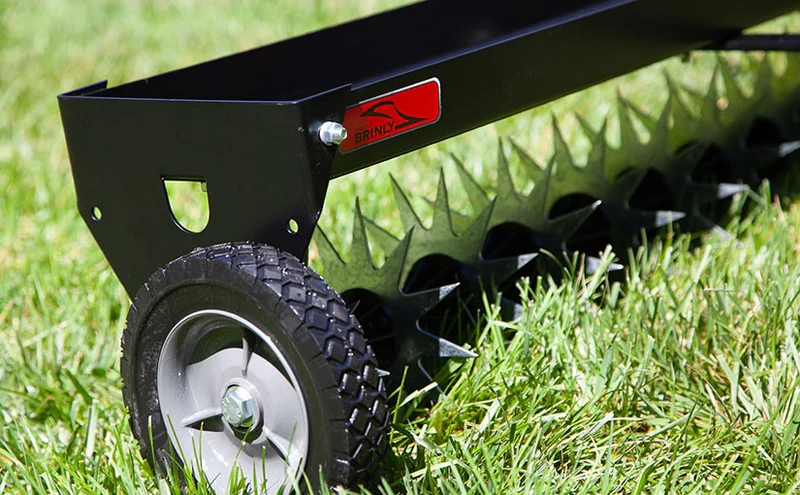
Aeration is one of the most important — and most overlooked — lawn services.
Many homeowners wait until their grass is thinning or water starts pooling.
But aeration works best as a preventative service.
So how often should you aerate your lawn?
The answer depends on soil condition, traffic, and overall lawn performance.
Here’s what to know.
Over time, soil naturally becomes compacted.
Foot traffic, mowing equipment, rainfall, and seasonal pressure all compress the ground.
Compacted soil:
Core aeration service removes small plugs of soil to relieve compaction and restore airflow.
Healthy lawns depend on breathable soil.
For most residential lawns, aerating once per year is sufficient to maintain healthy soil structure.
However, some lawns may require more frequent aeration if:
In higher-stress conditions, twice per year may provide better structural stability.
You may need to adjust your lawn aeration schedule if you notice:
Aeration corrects the environment beneath the turf.
Without it, compaction compounds yearly.
If you never aerate your lawn, soil gradually becomes denser.
This leads to:
Skipping aeration for several years often leads to noticeable turf decline.
Prevention is easier than restoration.
Aeration works even better when paired with:
Combining structural services creates stronger, longer-lasting results.
Aeration is most effective when grass is actively growing.
This allows roots to respond quickly and expand into newly opened soil channels.
The exact timing depends on growth conditions — but consistency matters more than exact dates.
Waiting until visible damage appears reduces effectiveness.
Professional aeration ensures:
Surface poking tools don’t provide the same structural benefit.
True core aeration removes soil to create breathing room.
How often should you aerate your lawn?
At least once per year — and possibly more if compaction signs are present.
Aeration protects:
Healthy lawns are built from the ground up.
And aeration keeps that foundation strong.

If your lawn hasn’t been aerated in a while, schedule your free consultation and let our team determine the right aeration schedule to protect your soil and turf health.