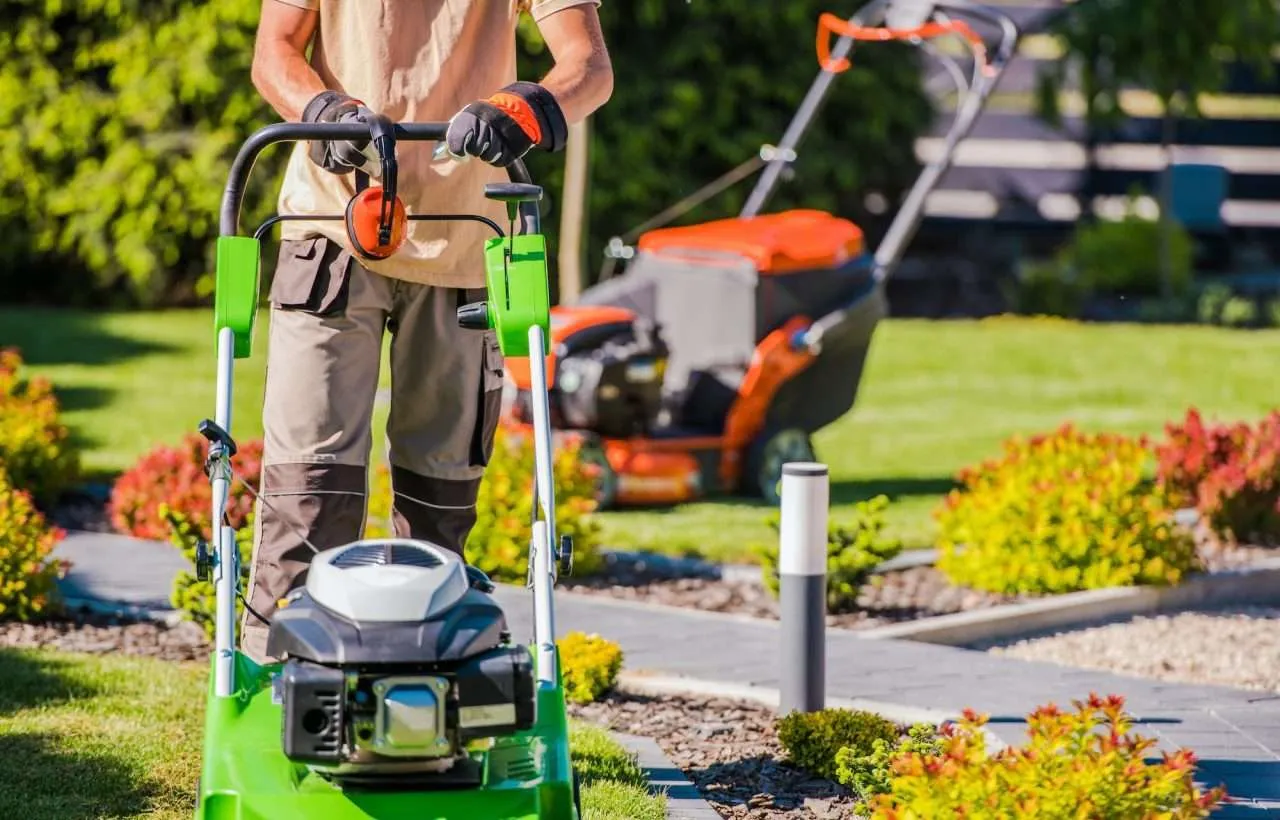
Summer doesn't kill lawns overnight.
It wears them down slowly.
If your grass looks tired, thin, or scorched by July, mowing habits are usually part of the problem.
The fix isn't watering more.
It's mowing smarter.
1. Taller Grass Handles Heat Better
Short grass burns faster.
Taller grass:
Raising mowing height slightly in peak summer protects turf from heat damage.
Shade at the root is real protection.
2. Fewer, Cleaner Cuts Beat Frequent Stress
Mowing too often in extreme heat adds unnecessary stress.
Overmowing in summer leads to:
A properly spaced mowing schedule gives grass time to recover between cuts.
Recovery time matters more in summer than any other season.
3. Sharp Blades Reduce Heat Damage
Torn grass loses moisture fast.
Dull blades cause:
Clean cuts from sharp blades help grass retain moisture through the hottest stretches.
A clean cut is a cooler cut.
4. Timing the Mow Matters
Mowing during peak afternoon heat stresses grass further.
Better timing means:
Scheduling mows earlier in the day protects turf already under heat stress.
5. Clippings Can Help, Not Hurt
Mulching clippings back into the lawn during summer adds a layer of protection.
Benefits include:
Bagging isn't always the better choice in peak heat.
6. Consistency Prevents Bigger Problems
Skipping mows during summer, then catching up aggressively, shocks stressed grass.
Consistency means:
A stressed lawn needs predictability, not sudden changes.
Why This Matters More in North Texas
Heat stress compounds fast in our climate.
A lawn that's already struggling has little room for mowing mistakes.
Small adjustments — height, timing, blade condition — make the difference between a lawn that survives summer and one that needs to be rebuilt in fall.
Protect the grass now.
Avoid the recovery work later.
The team at Lawn Crisis adjusts mowing height, frequency, and timing specifically to help Haslet-area lawns push through the toughest months of the year.

Ready for a lawn that holds up through summer? Reach out to Lawn Crisis today.