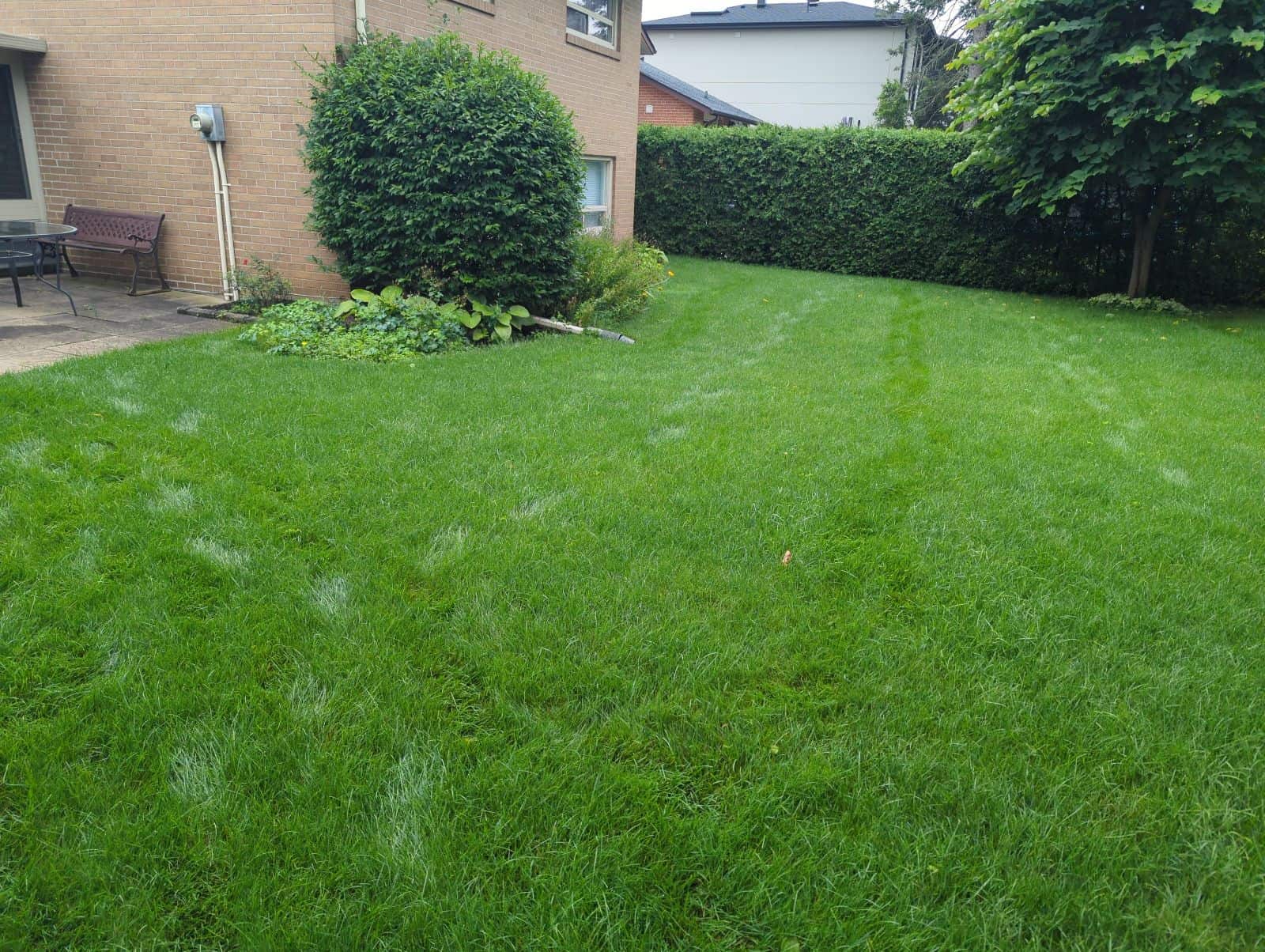
A lawn should feel stable underfoot.
But if yours feels bumpy, uneven, or awkward to mow, something beneath the surface is shifting.
Bumpy lawns aren’t just a cosmetic issue.
They affect:
If you’re searching how to fix a bumpy lawn, the solution starts with identifying what caused the unevenness.
Let’s break down why lawns become uneven — and how to restore smooth ground properly.
Uneven ground rarely appears overnight.
It develops gradually due to structural changes beneath the grass.
Over time, soil compresses unevenly.
Rain, gravity, and organic breakdown create subtle dips and rises.
What begins as minor settling can turn into noticeable unevenness.
If the yard was not graded correctly during installation, uneven areas may emerge over time.
Improper slope creates:
These imbalances worsen uneven surface texture.
Heavy equipment disrupts soil structure.
Even if grass regrows, the ground beneath may remain unstable.
Compaction in some zones and looseness in others create uneven feel.
Water flow can gradually shift soil.
Low spots deepen.
Edges erode.
Over time, the surface becomes irregular.
Yard leveling corrects grade imbalance and restores smooth flow.
Excessive thatch can create a spongy, uneven sensation underfoot.
Professional lawn thatching removes buildup and improves soil contact.
Uneven ground creates multiple long-term issues:
Bumps disrupt the uniformity that healthy turf requires.
Surface smoothness supports stable growth.
Correcting uneven ground requires a structured approach.
Minor irregularities may be corrected with top dressing.
This process gradually fills shallow depressions and smooths texture.
If unevenness affects larger areas, professional yard leveling is often necessary.
Leveling includes:
Balanced grading prevents recurrence.
Uneven lawns often include compacted areas that resist correction.
Lawn aeration restores airflow and stabilizes soil structure.
Balanced soil prevents future settling.
After leveling, consistent mowing and maintenance protect the newly corrected surface.
Weekly lawn maintenance preserves structure.
Many homeowners attempt to:
Rolling can worsen compaction.
Filling without grading correction shifts the problem elsewhere.
Professional evaluation ensures proper correction.
A properly leveled lawn:
Smooth ground supports healthy growth.
Healthy growth maintains smooth ground.
If your yard feels uneven, the issue is structural — not cosmetic.
Correcting the foundation restores both performance and appearance.
Bumpy lawns don’t fix themselves.
But they can be corrected properly.

If your lawn feels uneven or difficult to mow, schedule your free consultation and let our team evaluate whether leveling or soil correction is needed to restore smooth, stable ground.