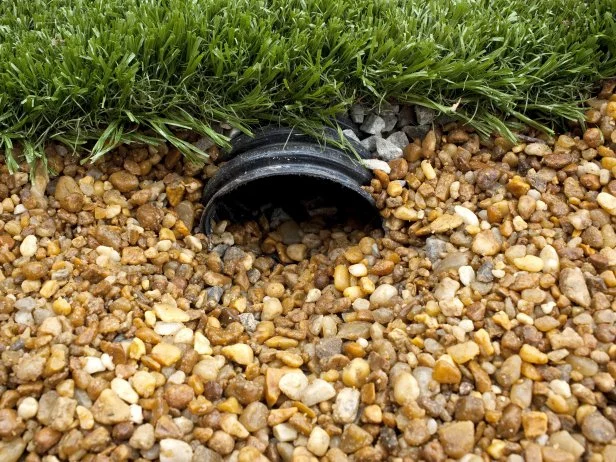
If water sits in your yard after rain, that’s not just inconvenient.
It’s a warning sign.
Poor drainage in yard areas leads to thinning turf, soil erosion, root rot, and long-term structural damage.
Many homeowners ignore pooling water until grass starts dying.
By then, the correction becomes more involved.
If you’re researching how to fix poor drainage in your yard, here’s what you need to understand first:
Drainage problems are almost always structural.
If your yard does not slope correctly, water cannot flow evenly.
Instead, it collects in low areas.
Improper grading leads to:
Yard leveling service often corrects minor grade imbalance.
Compacted soil prevents water from penetrating downward.
Instead of absorbing into the ground, water sits at the surface.
Signs of compacted soil:
Lawn aeration relieves compaction and improves water penetration.
Over time, natural settling creates dips.
These dips become water collection points.
Minor low spots may be corrected through top dressing.
Widespread unevenness requires professional leveling.
Water pooling in yard sections suffocates roots.
Grass roots require oxygen.
When soil remains saturated:
Repeated oversaturation can permanently damage sections of your lawn.
Observe where water collects.
Is it:
Pattern reveals cause.
Small depressions can be improved with soil redistribution.
Top dressing gradually builds elevation.
This smooths shallow dips and improves soil balance.
If pooling affects wider sections, yard leveling service is often necessary.
This process includes:
Balanced grading ensures water flows away rather than collecting.
Aeration improves drainage by:
Healthy soil absorbs water evenly.
Adding soil without correcting slope rarely solves drainage problems.
Temporary fixes may:
Drainage correction must consider the entire yard — not just one low area.
Correcting poor drainage protects:
Balanced water flow improves overall lawn performance.

If water pools in your yard after rain, schedule your free consultation and let our team evaluate whether leveling or soil correction is needed to restore proper drainage.