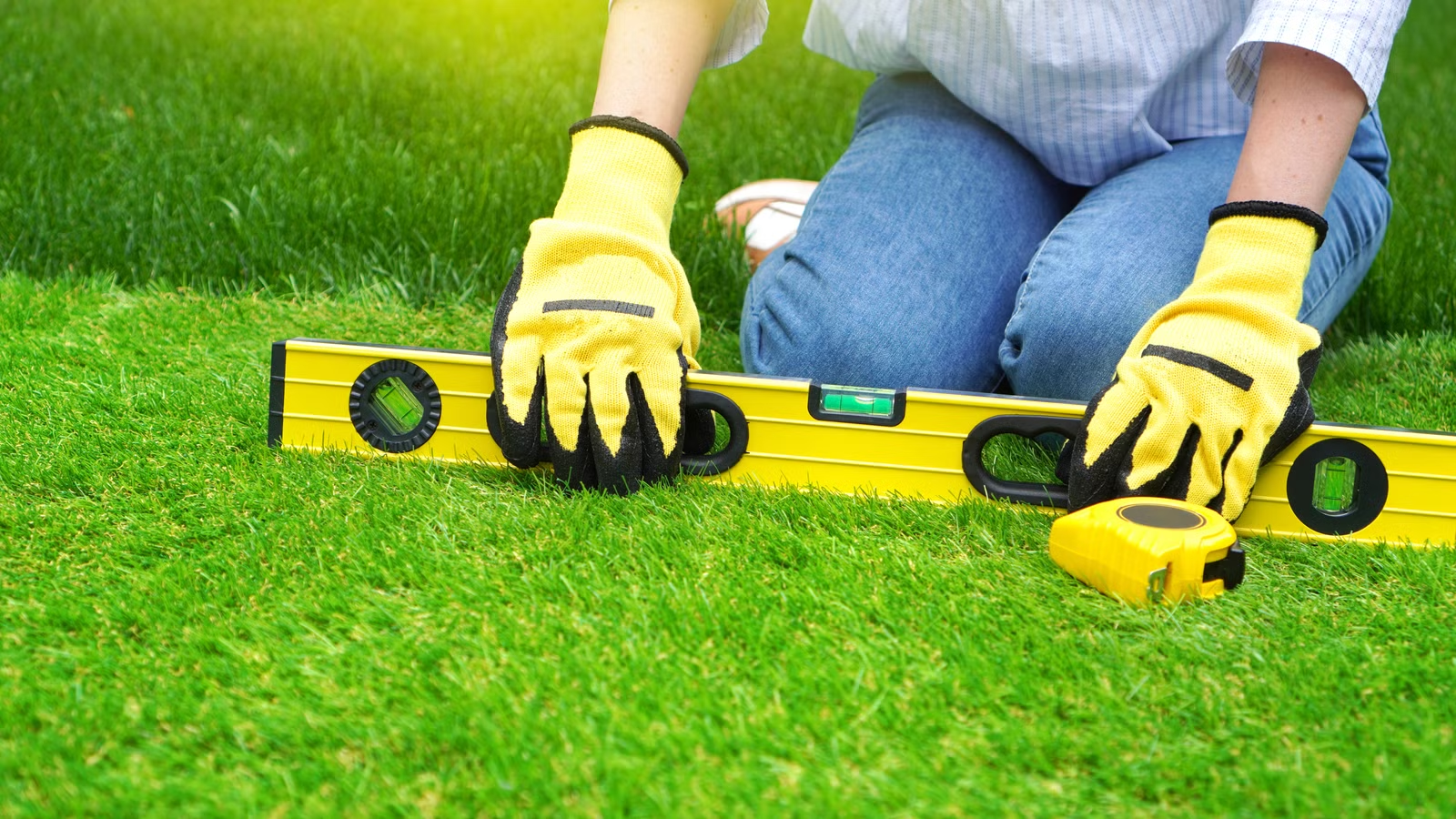
If you’ve been searching how to fix uneven lawn naturally, your yard probably feels bumpy, dips in certain areas, or collects water after rain.
An uneven lawn isn’t just frustrating to mow — it can create drainage problems, stress grass roots, and reduce curb appeal.
In North Texas areas like Justin, Haslet, Rhome, and North Fort Worth, uneven lawns are common due to clay soil movement, heavy rain, and seasonal drought cycles.
Let’s break down how to fix uneven lawn naturally — and when professional yard leveling is the smarter solution.
Before learning how to fix uneven lawn naturally, it’s important to understand what causes the problem.
Common causes include:
Ignoring uneven areas often leads to worsening drainage and thinning grass.
Walk your lawn after rain.
Low spots will:
High spots often:
Understanding the pattern helps determine whether you can fix uneven lawn naturally or need more advanced correction.
For small dips, applying topsoil through top dressing may help.
Top dressing:
However, this method works best for minor surface imperfections — not deep depressions or widespread grading issues.
If your yard feels hard underfoot, compaction may be contributing to uneven settling.
Lawn aeration service relieves compaction and helps soil stabilize over time.
When researching how to fix uneven lawn naturally, soil improvement should always be part of the plan.
Some uneven lawns require professional yard leveling service.
You may need professional help if:
Natural methods cannot correct major grading issues.
Improper leveling can even worsen drainage problems.
Clay-heavy soil in North Texas expands when wet and contracts when dry.
Over time, this movement creates:
Professional yard leveling ensures:
If you’ve been repeatedly searching how to fix uneven lawn naturally, persistent problems may indicate structural grading issues.
Correcting uneven areas improves:
Even surfaces allow grass to grow more consistently and absorb water evenly.
When trying to fix uneven lawn naturally, avoid:
Improper fixes often lead to recurring problems.
If you’ve been researching how to fix uneven lawn naturally, minor dips may respond to soil improvement and top dressing.
But widespread grading issues often require professional correction.
Healthy lawns begin with proper structure — not just surface care.

Tired of dealing with a bumpy or uneven yard? Schedule your free consultation today and let our team evaluate your lawn and recommend the right leveling solution for long-term results.