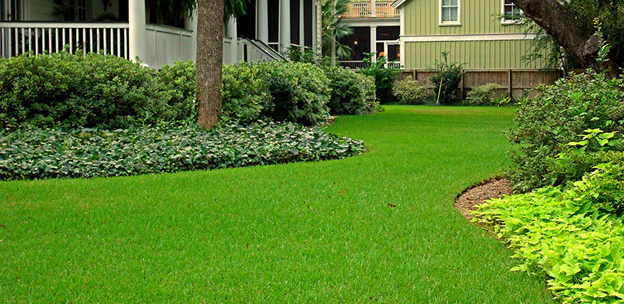
Everyone wants that deep, rich green lawn.
Not pale.
Not patchy.
Not dull.
Dark green grass signals health.
But here’s the truth most homeowners miss:
Color is a result — not a treatment.
If your lawn lacks that rich green tone, the issue usually isn’t just fertilizer. It’s the foundation beneath the grass.
Here’s how to get dark green grass naturally — the right way.
Grass gets its color from nutrients absorbed through its roots.
If the soil is compacted or weak, nutrients can’t move properly.
Compacted soil restricts:
Lawn aeration improves airflow and allows roots to grow deeper.
Healthy roots absorb nutrients more efficiently — which deepens color naturally.
Sometimes lawns look pale because nutrients aren’t staying in the soil long enough.
Clay-heavy or poor-quality soil may struggle to retain balance.
Top dressing introduces better soil structure and organic material that supports long-term nutrient availability.
Stronger soil supports richer color.
Cutting grass too short is one of the fastest ways to dull its appearance.
Short grass:
Keeping grass slightly taller helps:
Consistency builds that full, rich look over time.
Excess thatch can prevent nutrients and water from reaching the root zone.
Even if you’re feeding the lawn properly, a thick barrier may block absorption.
Thatching restores soil contact and allows grass to access what it needs.
When roots are supported, color improves.
Grass that stays too wet can appear yellow or faded.
Grass that dries too quickly may look stressed and pale.
Leveling and correcting slope improves moisture balance across the lawn.
Even hydration supports even color.
Thin grass never looks as rich as dense turf.
The thicker the lawn, the deeper and more vibrant it appears.
Density is created through:
Dark green lawns are usually thick lawns.
Many homeowners respond to pale grass by over-fertilizing.
Too much nitrogen can create rapid growth without strengthening roots.
The result?
Temporary color followed by stress.
True dark green grass comes from structural health, not quick fixes.
That rich, dark green lawn you admire isn’t just fed.
It’s supported.
It has:
Color reflects internal stability.
When the foundation is right, the shade follows.
If you want dark green grass naturally, start beneath the surface.
Strengthen the soil.
Support the roots.
Maintain consistency.
The color you’re looking for comes from structure — not shortcuts.

Want your lawn to look deeper green and healthier year-round? Schedule your free consultation and let our team evaluate your soil and structure to build a plan that strengthens your turf naturally.