How to Improve Lawn Health for a Thicker, Greener Yard

September 22, 2025

A healthy lawn isn’t just about appearances — it’s about strong roots, dense turf, and resilience.

If your yard looks thin, patchy, or lacks vibrant color, the problem often lies beneath the surface.

Improving lawn health requires a structured approach that addresses soil, grass, and routine care. Here’s how to transform your yard from lackluster to lush.

Step 1: Evaluate Soil Quality

Healthy soil is the foundation of a thriving lawn.

  • Test pH levels to ensure proper nutrient absorption
  • Aerate compacted areas to improve water and air flow
  • Apply top dressing to correct low spots and enhance nutrient content

Strong roots grow only in prepared, balanced soil.

Step 2: Choose the Right Grass

Not all grass types thrive in the same conditions.

  • Match grass type to sunlight exposure (shade vs. full sun)
  • Consider drought-tolerant or disease-resistant varieties
  • Align texture and color with existing turf for uniform appearance

Proper selection ensures strong growth and reduces weak spots.

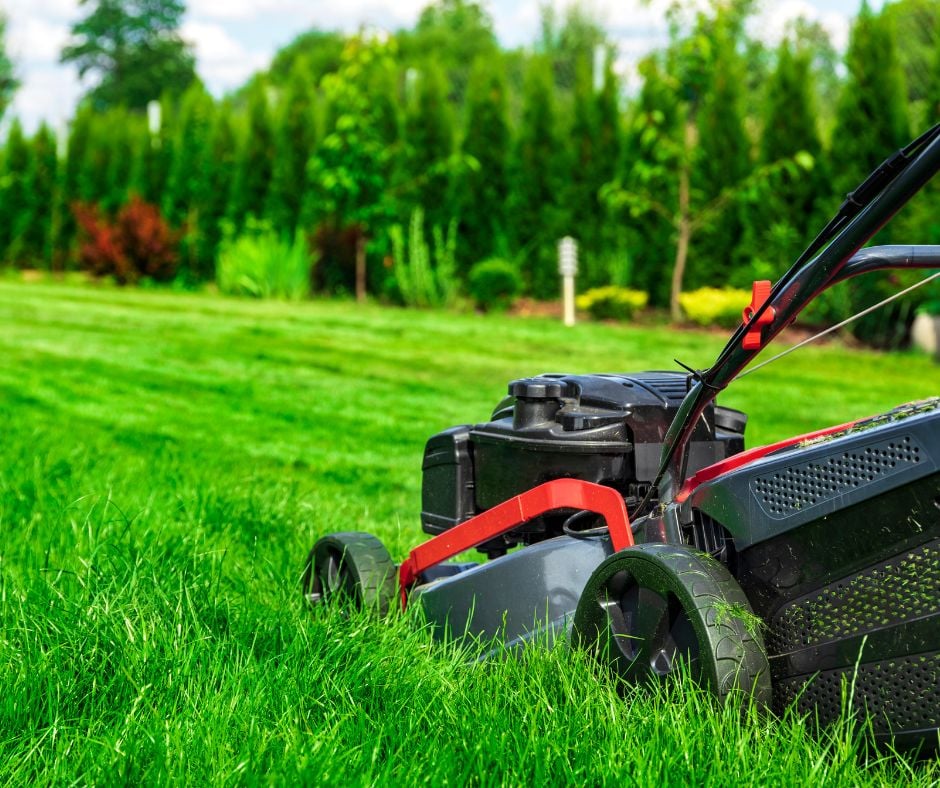
Step 3: Establish Proper Mowing Practices

Mowing impacts both appearance and turf health.

  • Follow the “one-third rule” — never cut more than a third of blade length
  • Maintain consistent height suited to your grass type
  • Mow weekly during active growth to encourage density

Regular mowing strengthens roots and limits weed competition.

Step 4: Fertilize Strategically

Nutrient-rich soil supports thick, vibrant grass.

  • Apply fertilizer based on soil test results
  • Time applications for peak growing seasons
  • Avoid over-fertilizing, which can burn grass or promote weeds

Balanced nutrition encourages color, density, and resilience.

Step 5: Address Problem Areas

Patchy spots, low drainage areas, or compacted soil require targeted attention:

  • Aeration relieves compaction and improves root growth
  • Top dressing levels the surface and enriches soil
  • Sod installation or overseeding restores thin areas

Addressing weak points creates uniform, robust turf.

Step 6: Maintain Consistency

Consistency is key to long-term lawn health.

  • Weekly mowing and edging
  • Regular watering without over-saturation
  • Seasonal cleanup to remove debris and dead growth
  • Periodic fertilization and aeration

Routine care keeps turf strong, dense, and resilient.

The Goal: Dense, Vibrant, and Resilient Turf

Improving lawn health isn’t just cosmetic. A strong, well-cared-for lawn develops:

  • Deeper roots
  • Thicker, uniform coverage
  • Resistance to weeds, disease, and stress
  • Lasting green vibrancy

Structured care ensures your yard looks great year-round.

If your lawn is thin, patchy, or struggling, schedule a free consultation. Our team can improve soil, strengthen roots, and maintain your yard for a thicker, greener, and healthier lawn.