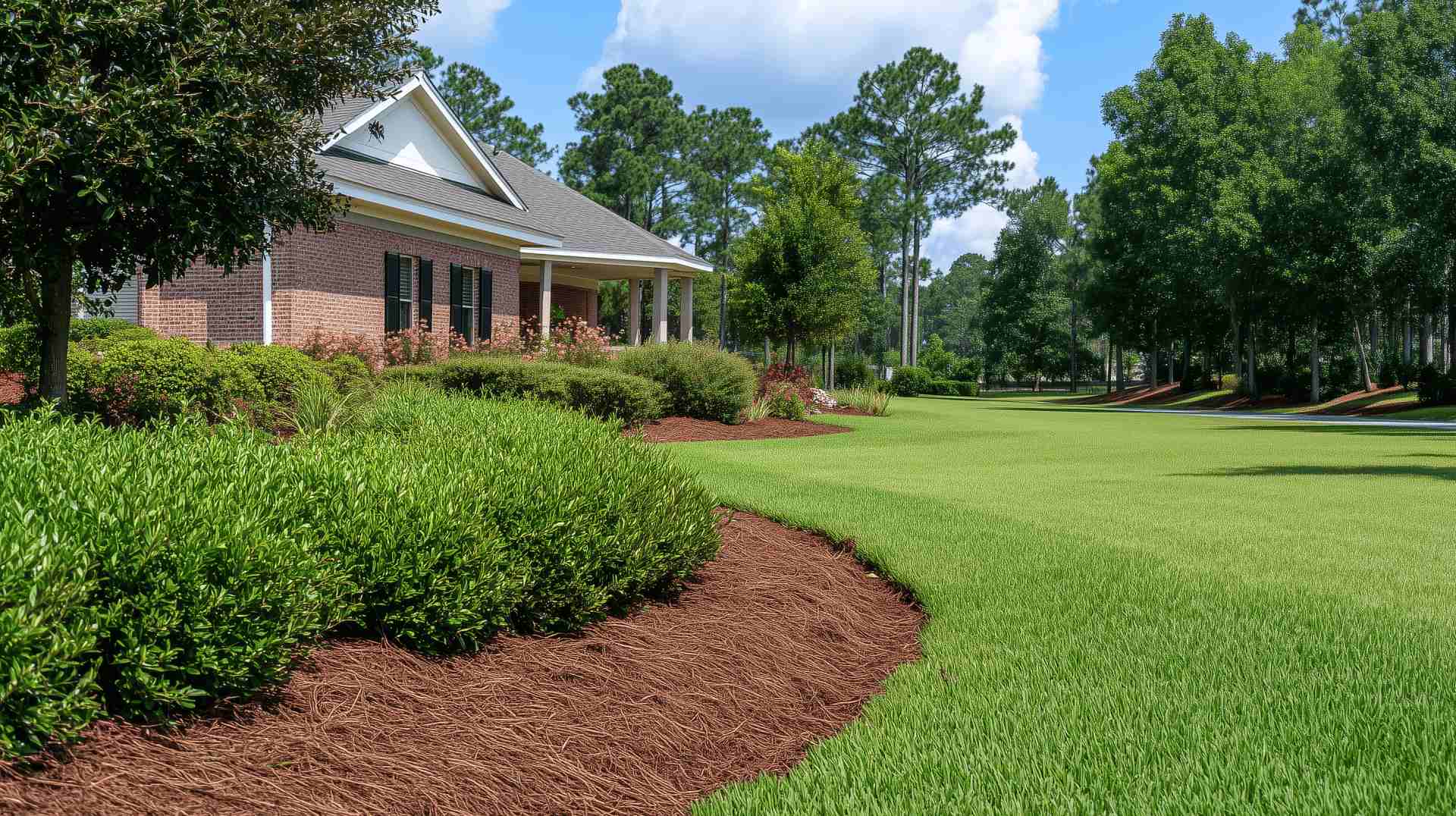
A healthy lawn doesn’t happen in one season.
It’s built over time.
Many homeowners focus on their yard only when something goes wrong — brown patches, weeds, thinning turf, or uneven growth.
But if you want to keep your lawn healthy year-round, the goal isn’t reacting.
It’s preventing.
Healthy lawns are structured. They’re consistent. And they’re supported from the soil up.
Here’s what that actually looks like across the entire year.
Grass health begins below the surface.
If soil is compacted, poorly graded, or unbalanced, turf performance will always struggle — no matter how much you water or mow.
Maintaining soil health requires:
Soil that breathes grows stronger roots.
Stronger roots create resilient turf.
One of the most overlooked ways to keep your lawn healthy year-round is proper mowing frequency.
When mowing becomes inconsistent:
Weekly lawn maintenance prevents shock cycles and supports steady growth.
Consistency protects long-term performance.
Healthy lawns are also structured lawns.
Lawn edging:
Defined borders create clarity and protect turf boundaries.
Throughout the year, organic buildup accumulates.
Leaves, debris, and dead material block airflow and trap moisture.
Seasonal lawn cleanups reset the surface and prevent:
Cleaning the surface protects what’s underneath.
Water should never sit on your lawn for long periods.
If water pools, roots suffocate.
If high spots dry too quickly, grass thins.
Yard leveling and drainage evaluation ensure moisture distributes evenly.
Balanced hydration supports consistent growth.
Healthy lawns decline gradually when small problems are ignored.
Common early warning signs:
Correcting issues early through structural services prevents full restoration later.
Preventative care costs less than repair.
Keeping your lawn healthy year-round requires routine.
That includes:
Structure replaces guesswork.
Routine prevents overwhelm.
Skipping maintenance during slower growth seasons often creates problems that surface later.
Healthy lawns require attention even when growth appears stable.
Consistency builds resilience against:
Balanced structure protects long-term turf health.
When soil is balanced, mowing is consistent, and drainage is corrected, your lawn becomes:
Year-round health isn’t about doing more.
It’s about doing the right things consistently.

If you want a structured plan to keep your lawn healthy year-round, schedule your free consultation and let our team create a maintenance strategy built for long-term stability.