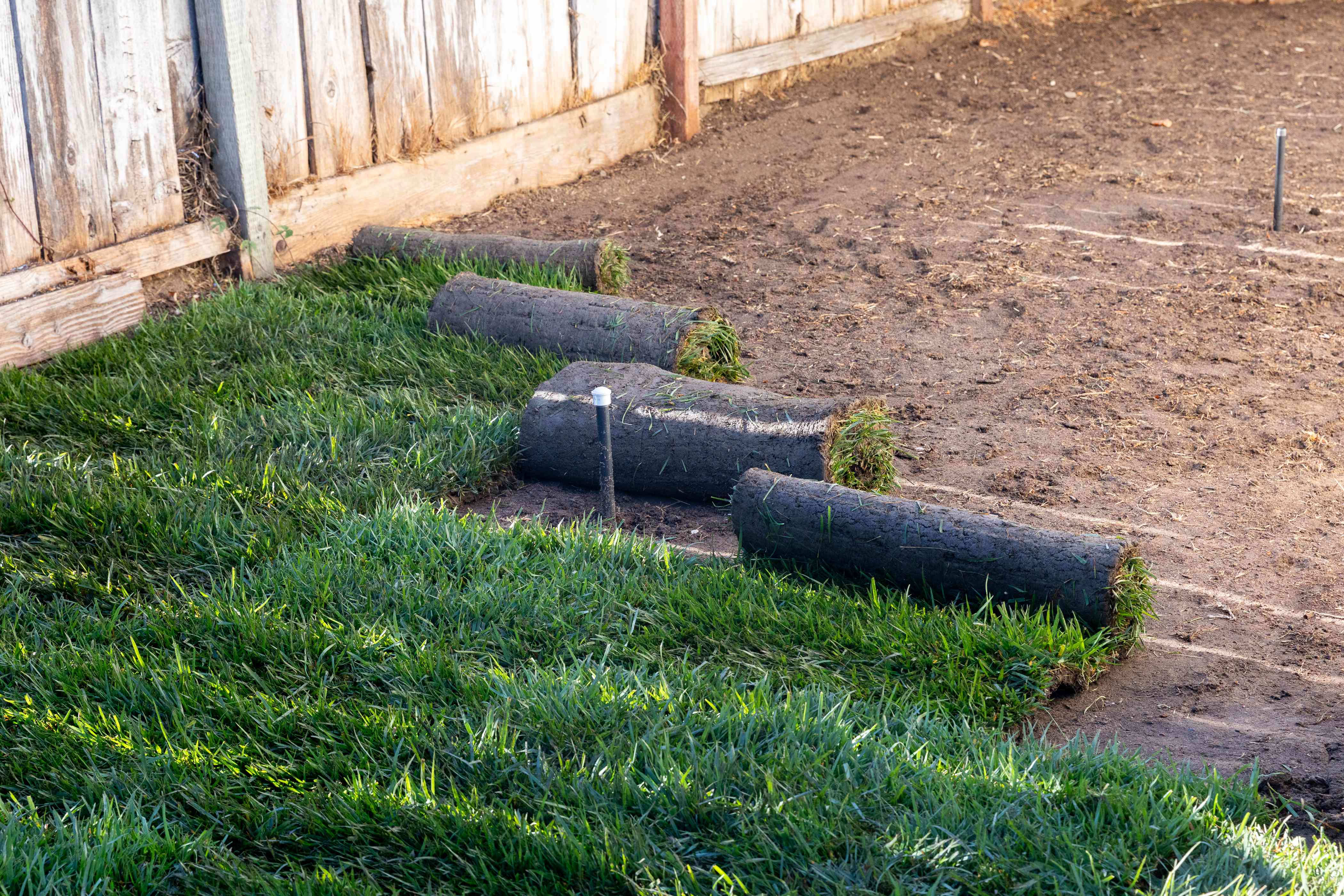
New sod can transform a lawn almost instantly.
But sod only succeeds if the ground beneath it is properly prepared.
Many lawns fail not because of poor sod quality — but because of improper preparation.
If you’re researching how to prepare your yard for new sod, here’s what actually determines long-term success.
Old turf must be removed down to bare soil.
Leaving weakened grass or debris underneath creates:
Sod installation preparation starts with a clean surface.
Skipping full removal compromises rooting.
Before installing new sod, grading must be evaluated.
Improper slope leads to:
Lawn grading before sod ensures water flows evenly across the yard.
Balanced drainage protects long-term performance.
Low spots and raised sections should be corrected before installation.
Uneven ground causes:
Professional yard leveling creates a smooth, stable surface for sod to root properly.
Sod should never be laid over a bumpy base.
Compacted soil prevents roots from penetrating deeply.
Before sod installation:
Healthy roots require breathable soil.
Without this step, new sod may remain shallow and fragile.
Sometimes soil lacks organic strength or balance.
Top dressing or soil conditioning may be necessary to:
Soil prep for sod is about creating the right growing environment — not just installing grass.
Before sod is placed, the surface should be:
Air pockets beneath sod prevent bonding.
Precision preparation improves establishment speed.
Many failed sod installations happen because:
New sod doesn’t fix structural problems.
It reflects them.
Preparation is what separates temporary green from long-term stability.
When your yard is prepared correctly before sod installation, you’ll see:
Strong foundations create strong lawns.
Installing sod is not just about appearance.
It’s about rebuilding the lawn from the ground up.
When grading, leveling, and soil prep are done properly, new sod thrives instead of struggles.

If you’re considering new sod, schedule your free consultation and let our team evaluate your yard to ensure proper preparation for long-term success.