Most lawn problems don’t appear overnight.
They build slowly.
Thin spots form.
Soil hardens.
Water starts pooling.
Color becomes uneven.
By the time you notice visible damage, the issue has usually been developing for months.
If you want to stop lawn problems before they start, the focus has to shift from reacting… to preventing.
Here’s how to do that.
Everything begins beneath the grass.
Compacted or weak soil leads to:
Aeration relieves soil pressure and improves airflow, allowing roots to grow deeper and stronger.
Healthy soil prevents many of the issues homeowners face later in the season.
Water imbalance is one of the biggest silent contributors to lawn decline.
Low spots may:
High spots may:
Leveling and grading corrections ensure water distributes evenly — preventing long-term damage.
Drainage problems rarely improve without intervention.
A thin layer of organic matter is normal.
Too much creates a barrier.
Excess thatch:
Periodic thatching prevents suffocation and supports stable root systems.
Prevention is easier than repair.
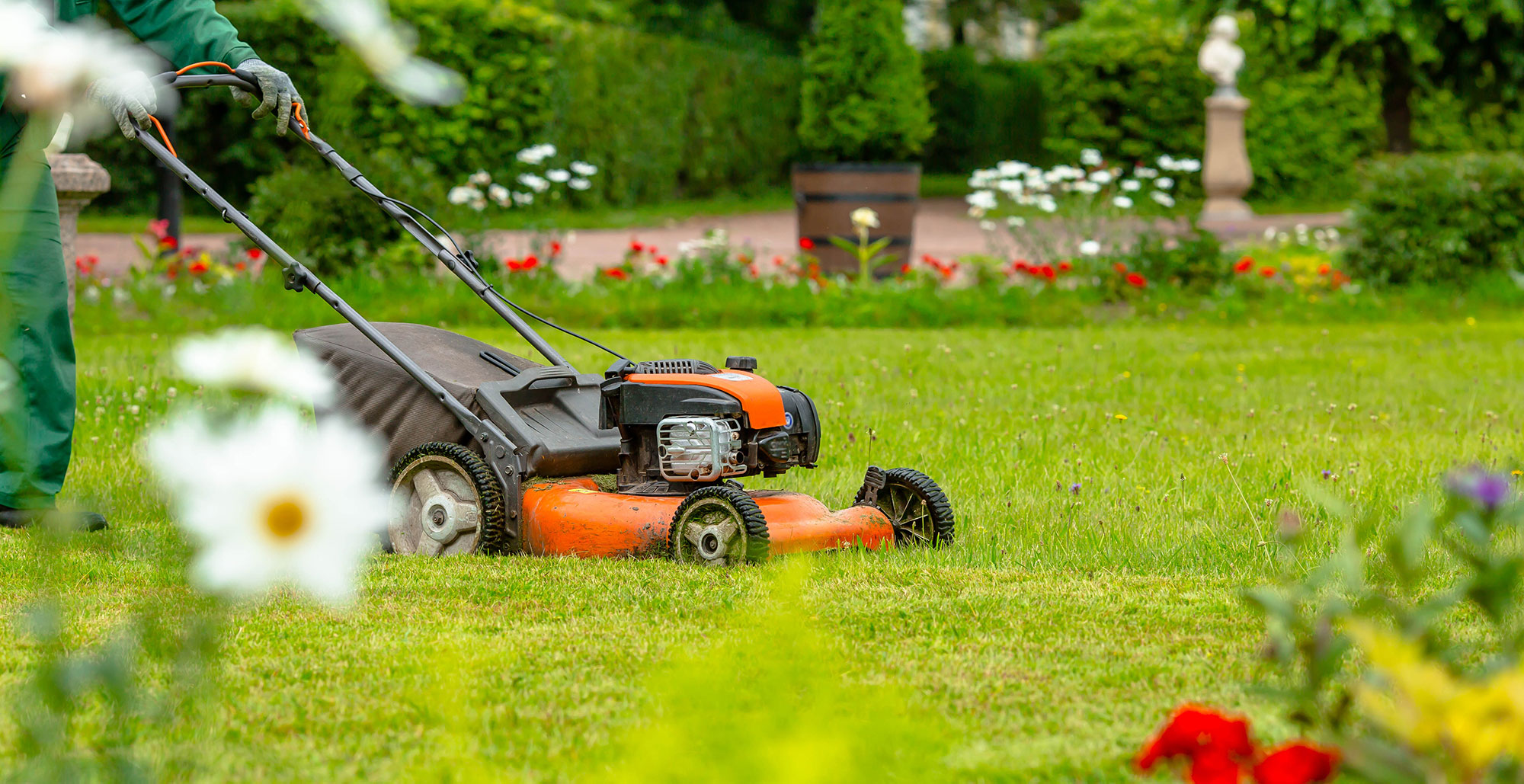
Inconsistent mowing is one of the most overlooked causes of lawn stress.
Cutting too short weakens grass.
Skipping weeks creates uneven growth.
Maintaining proper mowing height on a regular schedule keeps turf balanced and resilient.
Consistency compounds strength.
Small signs often appear before major damage:
Addressing minor issues early prevents large-scale repair later.
Ignoring early signs allows stress to spread.
More water isn’t always better.
More fertilizer isn’t always better.
Overcorrecting can create new problems while trying to fix old ones.
Balanced, structural improvement is more effective than aggressive surface treatments.
Healthy lawns are prepared in advance.
Structural improvements before peak heat or heavy rain reduce seasonal stress.
Planning ahead prevents panic fixes later.
Stopping lawn problems before they start isn’t about perfection.
It’s about stability.
A stable lawn:
When the foundation is solid, problems struggle to take hold.
Most major lawn issues begin quietly.
Preventative care strengthens the structure before visible decline appears.
And once the foundation is strong, maintaining it becomes much easier.

Want to prevent lawn problems instead of constantly fixing them? Schedule your free consultation and let our team evaluate your soil, drainage, and maintenance plan to build long-term stability from the ground up.