Many homeowners wait until their lawn looks thin or stressed before taking action.
But soil problems begin long before visible damage appears.
If you’re wondering whether your lawn needs aeration, there are early warning signs most people overlook.
Aeration isn’t just a seasonal service.
It’s structural correction.
Here’s how to tell if your lawn is asking for it.
Over time, soil becomes compacted.
Foot traffic.
Mowing equipment.
Natural settling.
Rainfall pressure.
Compaction squeezes soil particles together.
This reduces:
Lawn aeration removes small plugs of soil to restore airflow and relieve pressure.
Breathable soil builds stronger turf.
After irrigation or rain, does water sit on the surface longer than it should?
Slow absorption is a major sign of compaction.
Healthy soil absorbs water evenly.
If water runs off or puddles form, aeration may be necessary.
Ignoring pooling leads to drainage imbalance and thinning.
Walk across your lawn.
Does it feel firm and stable — or dense and hard?
Excessively hard ground indicates compacted soil.
Compacted areas restrict root depth.
Shallow roots weaken turf during stress cycles.
Aeration restores softness and breathability.
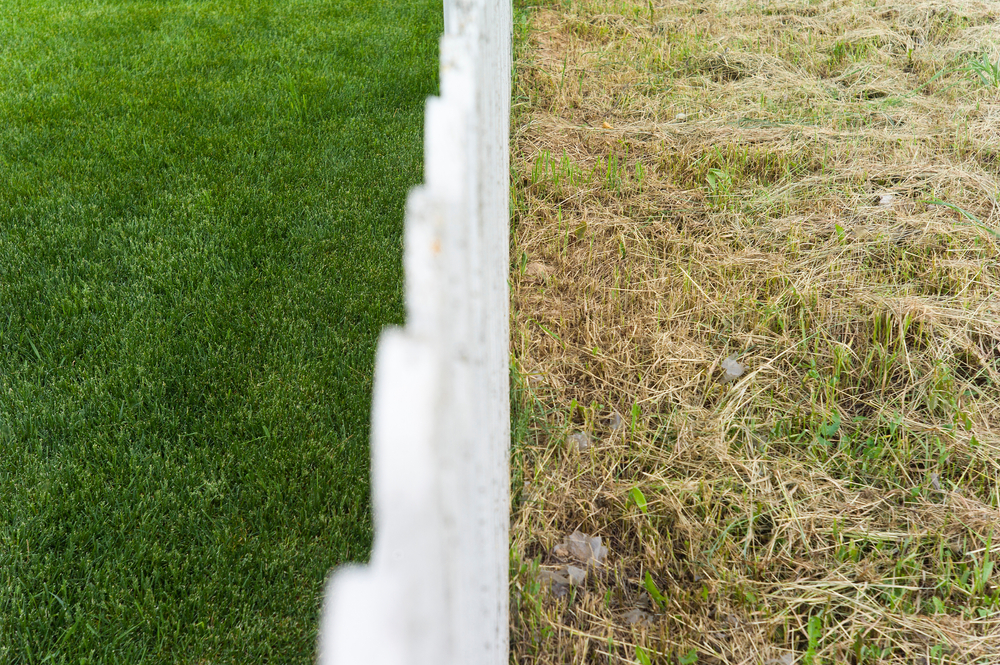
If certain areas struggle to grow while others thrive, soil density may vary.
Compacted zones grow slower.
Looser soil grows faster.
This creates uneven texture.
Aeration balances growth by improving root access evenly across the yard.
If you’re watering consistently but grass still looks thin, the issue may not be hydration.
It may be oxygen deprivation.
Roots require air just as much as moisture.
Aeration allows roots to breathe and rebuild density.
High-traffic areas compact faster.
Common zones include:
If these areas look worn or grow unevenly, aeration restores stability.
Compaction doesn’t always occur evenly.
Some zones may feel spongy due to trapped moisture.
Others may feel dense and rigid.
Aeration helps rebalance soil conditions and improve consistency.
Ignoring compaction leads to:
Aeration prevents decline before restoration becomes necessary.
Preventative care costs less than repair.
Aeration is most effective when grass can recover actively.
Pairing aeration with:
Maximizes long-term benefit.
Professional evaluation determines timing and depth based on soil condition.
Proper aeration improves:
Healthy soil builds durable grass.
Durable grass resists stress.
If your lawn struggles despite routine care, compaction may be limiting growth.
Aeration restores balance at the root level.
When soil breathes, turf strengthens.

If you’re noticing signs of compaction or uneven growth, schedule your free consultation and let our team evaluate whether aeration is the right next step for your lawn.