If your lawn feels spongy when you walk on it or looks thin even after watering and mowing, you may need a professional thatching service.
Many homeowners don’t realize that a hidden layer of buildup beneath the grass can prevent healthy growth. When that layer becomes too thick, it blocks water, nutrients, and airflow from reaching the roots.
At Lawn Crisis, we provide expert thatching service for homeowners in Justin, Haslet, Rhome, and North Fort Worth who want thicker, healthier lawns without guessing what’s wrong.
Let’s break down what thatch is, how it affects your lawn, and when dethatching is necessary.
Thatch is a layer of dead grass, roots, and organic material that builds up between the soil surface and the green blades of grass.
A thin layer of thatch is normal. But when it becomes too thick, it creates problems.
Excessive thatch can:
When homeowners search for thatching service near me, it’s often because their lawn looks unhealthy despite regular mowing.
Not sure if you need lawn thatch removal? Here are the most common signs:
If your lawn feels soft or bouncy underfoot, thatch buildup may be excessive.
Thatch can prevent proper water penetration.
Even with watering and fertilizing, thick thatch can suffocate the root system.
Weeds thrive in stressed lawns with poor soil access.
If you’ve searched “why does my lawn look unhealthy?” or “why is my grass thinning?” a professional thatching service may be the solution.
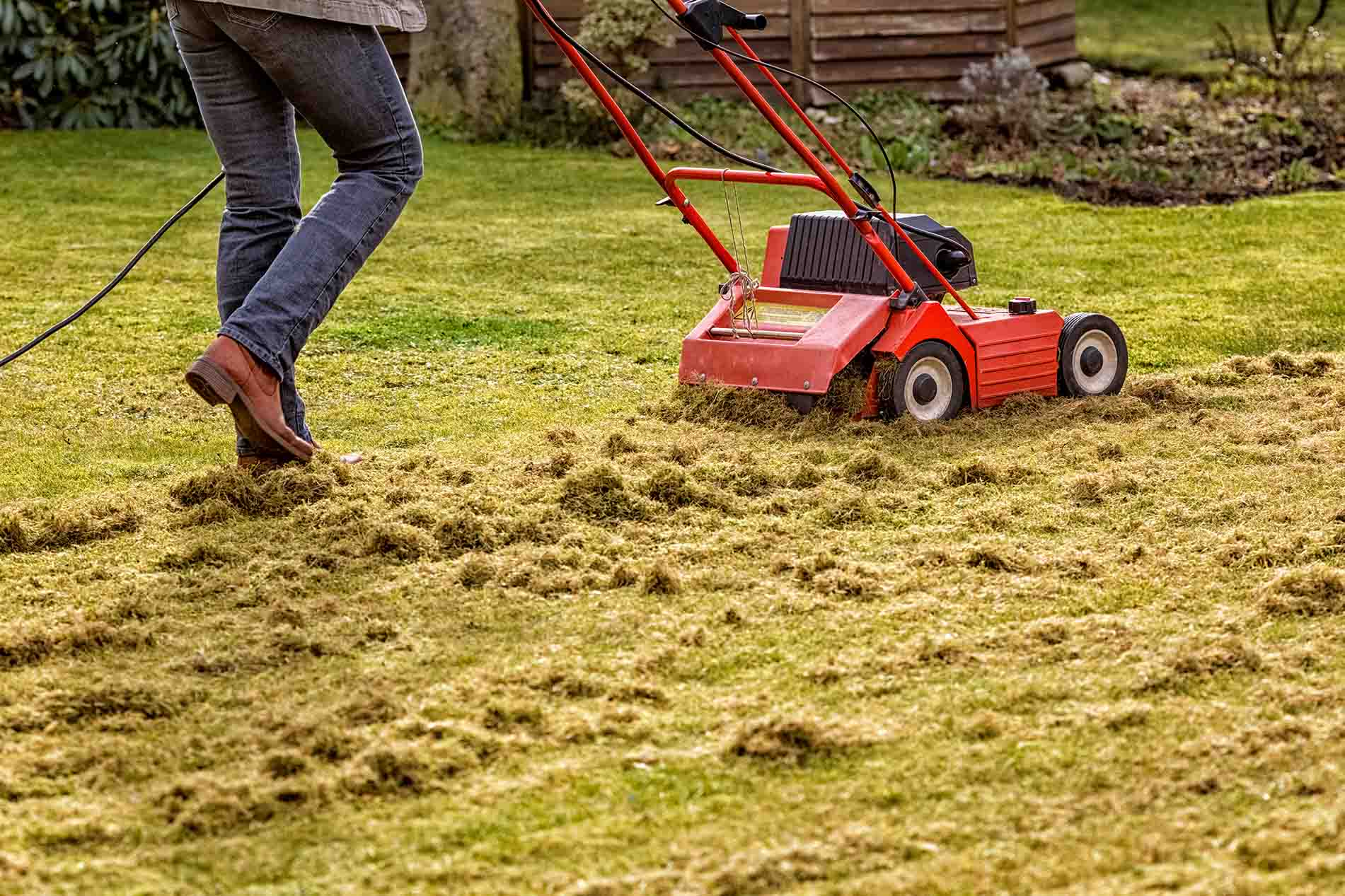
A proper thatching service removes the thick layer of organic buildup to restore soil contact.
At Lawn Crisis, dethatching involves:
After a professional thatching service, your lawn can breathe again.
Homeowners who schedule a professional thatching service often see:
Thatch removal doesn’t just improve appearance — it restores lawn function.
In North Texas, the best time for thatching service is during active growing seasons when grass can recover quickly.
For warm-season grasses common in Justin, Haslet, Rhome, and North Fort Worth, late spring to early summer is ideal.
Dethatching during growth periods allows your lawn to repair itself faster.
Homeowners often confuse dethatching and aeration.
Here’s the difference:
Thatching Service:
Removes surface buildup that blocks nutrients.
Lawn Aeration Service:
Relieves soil compaction below the surface.
In some cases, combining both services delivers the best results.
If your lawn feels compacted and spongy, both aeration and thatching service may be recommended.
Ignoring thick thatch can lead to:
Addressing the problem early with a professional thatching service prevents long-term damage.
Some homeowners attempt dethatching themselves. However, improper technique can:
A professional thatching service ensures:
At Lawn Crisis, we evaluate your lawn before recommending dethatching so it’s done at the right time and for the right reason.
If your lawn feels thick on top but weak underneath, a professional thatching service may be exactly what it needs.
Healthy grass starts at the soil level — not just at the surface.

If you’re noticing spongy turf, thinning grass, or poor water absorption, schedule your free consultation today. Our team will evaluate your lawn and determine whether professional thatching service is the right step toward thicker, healthier growth.