Aeration isn’t flashy.
It doesn’t instantly change how your lawn looks the way fresh mulch or sod does.
Because of that, many homeowners skip it.
But what happens if you never aerate your lawn?
The answer is gradual decline.
Not overnight damage — but slow, compounding stress that weakens turf year after year.
Here’s what really happens beneath the surface.
Every season, soil naturally compresses.
Foot traffic, mowing equipment, and rainfall all contribute to compaction.
Without lawn aeration:
Compacted soil problems rarely fix themselves.
They build slowly over time.
When soil is dense, roots can’t push downward.
Shallow roots mean:
Lawn aeration benefits include encouraging deeper, stronger root systems.
Without aeration, turf becomes more fragile each season.
Compacted soil often leads to uneven moisture distribution.
Water may:
Over time, drainage imbalance can thin turf and create stress zones.
Aeration improves water movement and helps balance moisture levels.
When soil doesn’t breathe properly, organic material accumulates faster.
Without aeration and occasional thatching:
Eventually, buildup creates a barrier between grass and soil.
Healthy turf requires direct soil contact.
One of the clearest signs of skipped aeration is declining density.
You may notice:
Compacted soil weakens turf gradually.
Once density declines, weeds have more opportunity to invade.
Lawns that are never aerated struggle most during hot seasons.
Because roots are shallow and soil is dense, grass cannot:
This often leads homeowners to overwater — which creates additional problems.
The real issue is beneath the surface.
Fertilizer, watering, and mowing all become less effective when soil structure is compromised.
Without aeration:
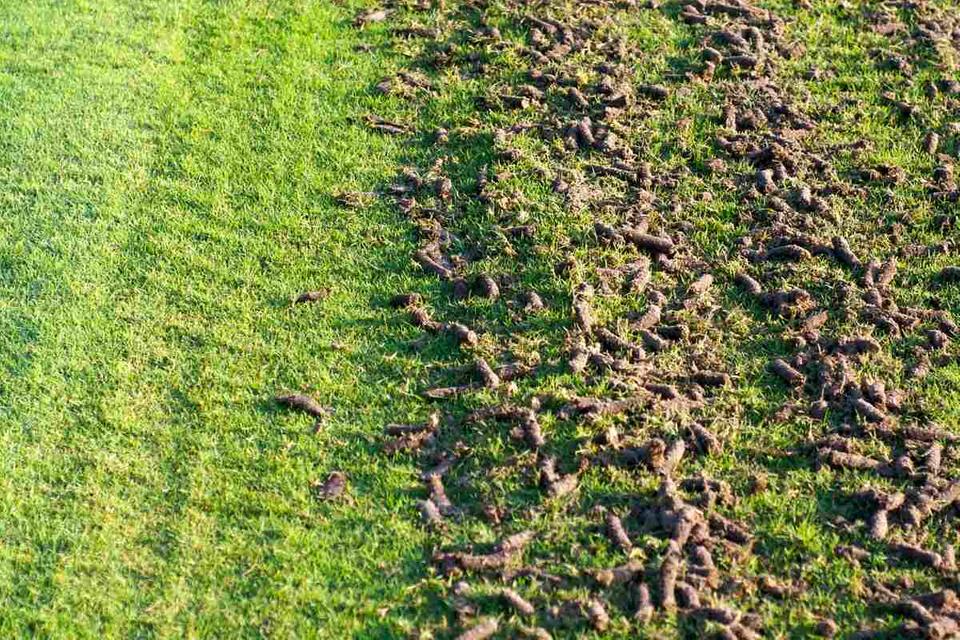
Aeration restores the soil environment so other maintenance services actually work.
The biggest mistake homeowners make is waiting until the lawn looks damaged.
Aeration works best before severe thinning appears.
Preventative aeration protects:
Skipping it allows slow decline.
If you never aerate your lawn, you may not notice immediate damage.
But season after season, compaction builds — and turf weakens.
Healthy lawns grow in breathable soil.
Relieving compaction is one of the most important structural services you can invest in.

If your lawn hasn’t been aerated in years, schedule your free consultation and let our team evaluate whether professional core aeration can restore strength beneath the surface.