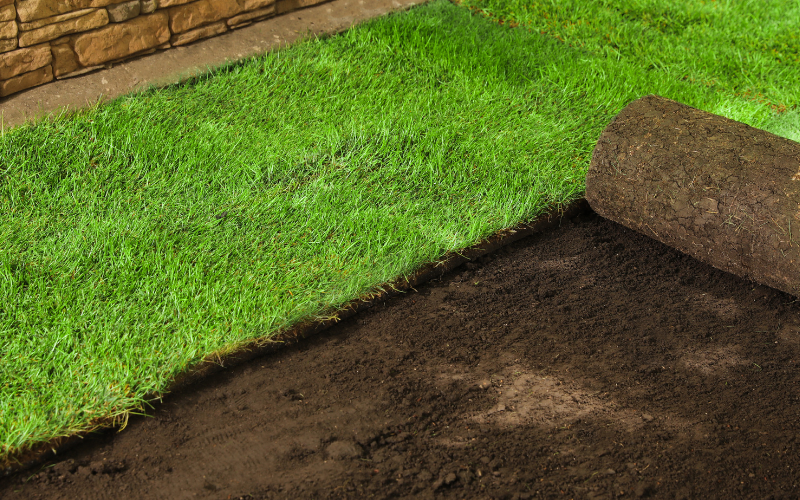
When a lawn is beyond simple repair, sod installation offers a fresh start.
But installing sod is more than laying down grass.
If the preparation isn’t done correctly, even brand-new sod can fail within months.
A professional sod installation service focuses on building the right foundation before the first roll is placed.
Here’s what separates proper sod installation from temporary results.
Before new sod installation begins, the current lawn must be assessed.
This includes checking for:
Installing sod without correcting structural issues leads to repeated problems.
Preparation determines success.
Old grass, debris, and weak root layers must be removed.
Leaving unhealthy material underneath can:
Clean removal ensures new sod connects directly with healthy soil.
Before sod is laid, the surface should be:
Yard leveling is often necessary during sod installation.
Balanced grading prevents pooling and long-term stress.
A level foundation creates uniform growth.
New sod requires strong soil to root properly.
This may include:
Healthy soil supports deeper root penetration and faster establishment.
Skipping this step often leads to shallow, weak sod.
Professional sod installation ensures:
Air gaps beneath sod prevent rooting.
Precise placement improves survival rates and visual uniformity.
After installation, early watering and stabilization are critical.
Proper early care ensures:
Without correct establishment, even high-quality sod may thin prematurely.
DIY sod installation often fails because:
A professional sod installation service addresses the foundation first.
That’s what creates long-term success instead of temporary green.
Sod installation is often the right choice when:
In these cases, replacing the lawn after correcting structural problems creates a stable reset.
New sod should do more than look good.
It should:
That only happens when installation is done correctly from the ground up.
Sod installation isn’t just lawn replacement.
It’s a structural rebuild.
When done properly, it transforms both appearance and long-term performance.

Thinking about replacing your lawn? Schedule your free consultation and let our team evaluate your yard to determine whether professional sod installation is the right long-term solution.