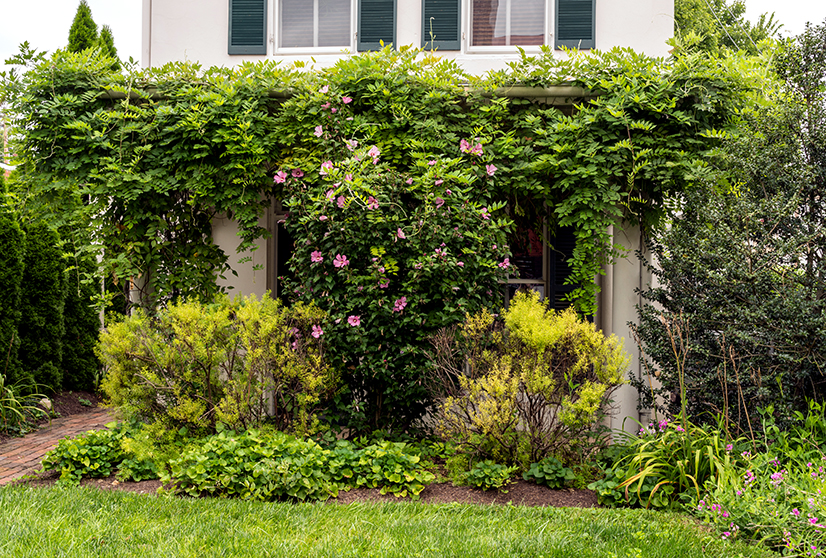
Landscapes evolve.
Plants grow.
Roots expand.
Soil shifts.
Sun patterns change.
What worked five years ago may no longer fit your yard today.
In North Texas communities like Justin, Haslet, Rhome, and North Fort Worth, plant removal and replacement is often necessary to maintain structure, health, and curb appeal.
Here’s how to know when it’s time to remove, replace, or redesign parts of your landscape.
Not every struggling plant needs replacement — but some do.
You may need professional plant removal service if:
Overgrown landscaping doesn’t just look messy — it can stress the surrounding lawn and soil.
Removing the wrong plant at the right time often improves overall landscape health.
When plants are installed too closely together, they compete for:
This often leads to:
Strategic plant removal restores balance and prevents further decline.
Replacing plants isn’t just about filling space.
Professional planting service considers:
In North Texas clay soil, improper installation often leads to root stress and slow growth.
Planting correctly from the beginning ensures long-term success.
Sometimes poor drainage damages certain plants repeatedly.
If water pools near beds or foundations, plant roots may struggle to survive.
In these cases, the solution may involve:
Replacing plants without correcting drainage leads to recurring failure.
Landscapes age just like homes.
Outdated or overgrown beds can make a property feel older than it is.
Strategic plant removal and reinstallation can:
Even small updates create noticeable impact.
Certain plants may:
When turf struggles near certain shrubs or trees, removal may benefit the surrounding lawn.
Landscapes should work together — not compete.
Professional planting & removal service isn’t random.
It’s strategic.
The goal is to create:
Intentional landscaping supports easier maintenance moving forward.
Ideal times for planting and removal in North Texas include:
Timing reduces stress and improves root establishment.
Healthy landscaping should:
When plants outgrow their space or struggle repeatedly, strategic removal is often the best solution.
In North Texas, landscapes change with time.
Maintaining structure sometimes means knowing when to remove, not just maintain.
Strong yards aren’t overcrowded.
They’re balanced.

Considering updating or removing plants in your yard? Schedule your free consultation today and let our team evaluate your landscape and create a planting plan designed for long-term structure and health.