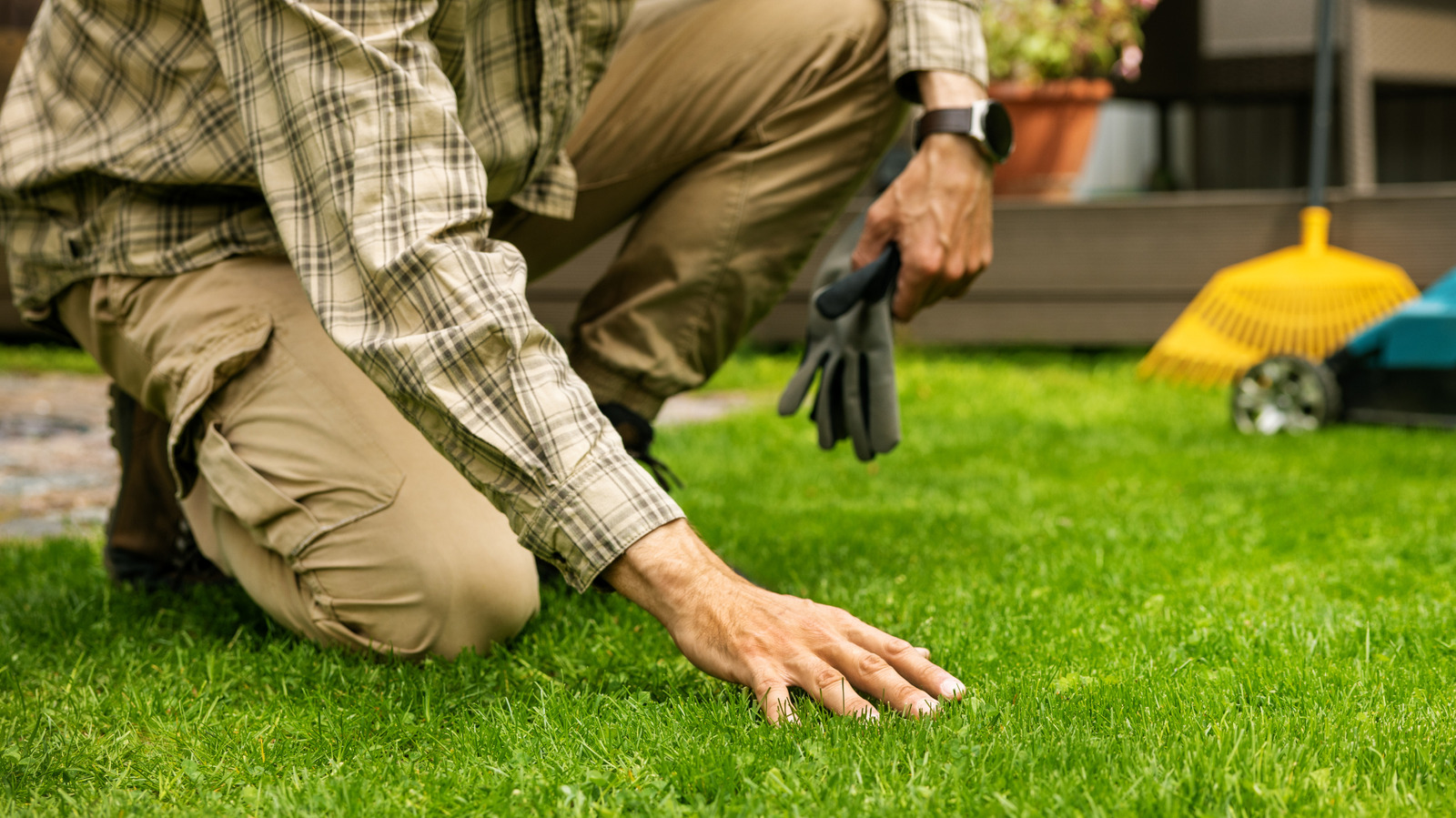
When you walk across your yard, does it feel soft… almost bouncy?
At first, that might not seem like a problem.
But if your lawn feels spongy underfoot, it’s usually a sign that something is happening beneath the surface.
Grass should feel stable and rooted — not springy or hollow.
Here’s what causes a spongy lawn and how to fix it the right way.
The number one reason lawns feel spongy is excessive thatch.
Thatch is a layer of:
That builds up between the soil and the grass blades.
A thin layer is normal.
A thick layer becomes a problem.
When thatch accumulates:
Professional thatching removes this barrier and restores proper soil contact.
If roots aren’t anchoring into solid soil, the lawn can feel loose or padded.
This often happens when:
Grass may look fine from a distance — but it lacks deep connection.
Strengthening soil structure improves stability.
Here’s where it gets tricky.
Sometimes the lawn is compacted below but spongy above.
Compacted soil prevents roots from growing downward.
So roots spread horizontally in the thatch layer instead.
The result?
A surface that feels soft — but lacks true depth.
Aeration allows roots to penetrate deeper and anchor properly.
If your yard stays damp for long periods, the surface may feel soft.
Overwatering or drainage imbalance can create:
Correcting grading and improving drainage stabilizes the lawn.
It might not look severe, but over time a spongy lawn can lead to:
The surface may appear green, but it lacks strength.
Stability matters.
The solution depends on the cause, but often includes:
Fixing only the surface won’t solve the issue if the soil remains restricted.
Structural correction creates long-term improvement.
A healthy lawn should feel:
When soil and roots are healthy, the lawn feels secure — not padded.
If your lawn feels spongy, it’s a signal.
Something is interrupting root connection.
Correcting it now prevents larger structural problems later.
Strong lawns are anchored — not floating on buildup.

If your lawn feels soft or unstable, schedule your free consultation and let our team evaluate your soil and thatch levels to restore strength from the ground up.