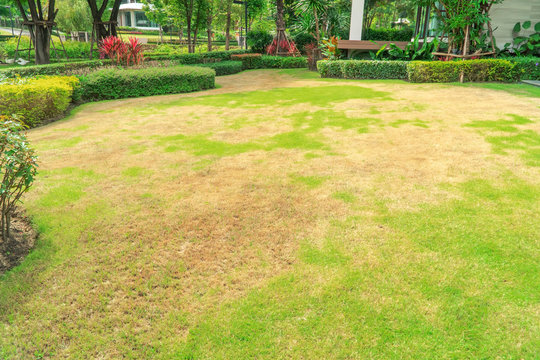
You mow the lawn.
It looks freshly cut — but when you walk across it, something feels off.
Bumps.
Dips.
Low spots.
Uneven footing.
If your lawn feels uneven even after mowing, the mower isn’t the problem.
The surface underneath is.
Here’s what causes uneven lawns — and how to fix them correctly.
Soil naturally settles.
Rain, irrigation, and time can slowly create small dips and ridges.
Even slight grade changes can:
Leveling corrects these minor shifts and restores a smooth, professional finish.
Some parts of your lawn may be dense and compacted.
Others may be softer or saturated.
When soil consistency varies, the surface feels uneven — even if the grass is trimmed evenly.
Aeration helps balance compacted sections and improve overall soil stability.
Uniform soil leads to uniform ground feel.
If certain areas collect water more often, they may soften and sink slightly over time.
Meanwhile, higher areas remain firm.
This creates uneven firmness throughout the yard.
Correcting drainage patterns prevents long-term surface distortion.
Balanced moisture supports stable ground.
Excess thatch can make certain areas feel raised or spongy.
Instead of solid soil contact, you’re walking on a layer of organic buildup.
Removing excess thatch restores even contact between roots and soil.
This stabilizes the lawn surface.
If sod was installed or repairs were done without proper soil preparation, settling can occur later.
Without proper leveling beneath the surface, grass may look fine — but feel uneven underfoot.
Proper preparation prevents this long-term issue.
When lawns aren’t level, high spots get cut shorter.
These areas:
Leveling reduces scalping and protects grass height consistency.
A smoother lawn mows cleaner and healthier.
Small dips rarely stay small.
Drainage issues can deepen them.
Compaction differences can increase them.
Left uncorrected, uneven lawns may lead to:
Fixing it early prevents larger repairs.
A healthy lawn should:
Smooth ground isn’t just about comfort — it protects turf health.
If your lawn feels uneven even after mowing, the problem isn’t cosmetic.
It’s structural.
Correcting soil balance and grade restores both appearance and performance.

Tired of bumpy, uneven turf? Schedule your free consultation and let our team evaluate your grading, soil condition, and surface stability to restore a smooth, healthy lawn.