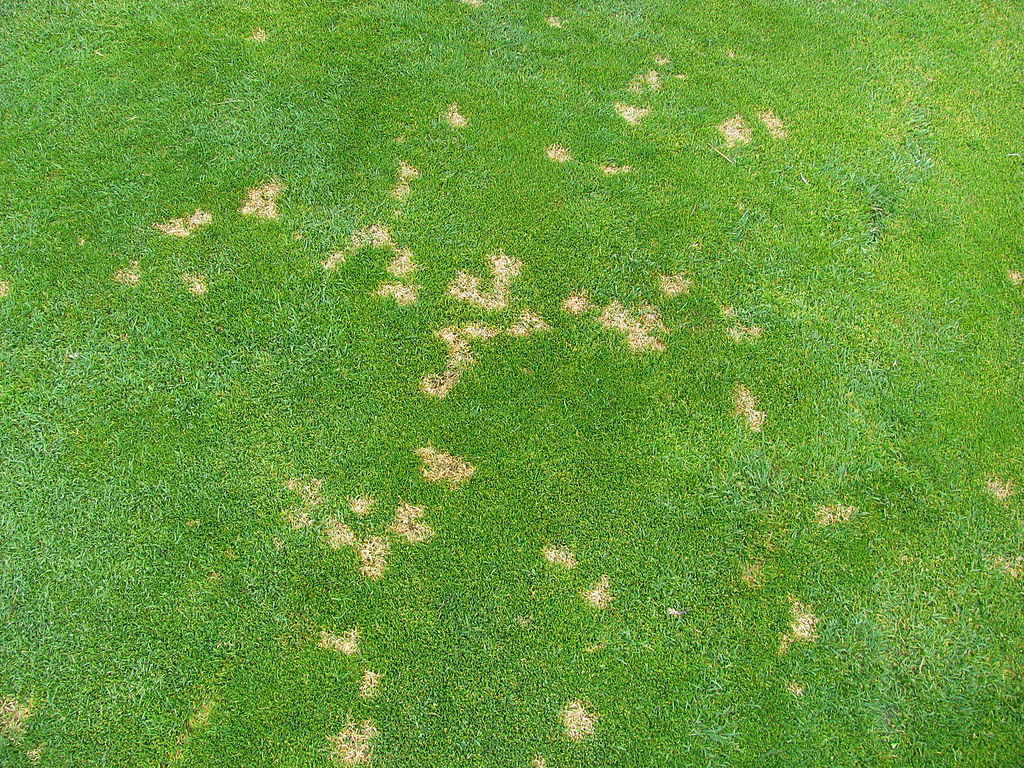
Bare spots in your lawn are frustrating.
You water them.
You wait.
Sometimes you even throw seed down.
But they don’t fill in.
If you’re searching why your lawn has bare spots that won’t fill in, the issue is almost never just missing grass.
It’s what’s happening beneath the surface.
Bare spots are symptoms of structural imbalance — and until the root cause is corrected, they keep returning.
Let’s break down why they form and how to fix them properly.
One of the biggest reasons grass won’t grow back is compacted soil.
Compacted soil:
If the ground feels hard where grass won’t grow, compaction is likely the issue.
Lawn aeration relieves pressure and restores breathable soil conditions.
Without correcting compaction, new grass struggles the same way old turf did.
Low spots may stay saturated.
High spots may dry out too quickly.
Both conditions prevent consistent regrowth.
If water pools or runs off in the same areas repeatedly, grading imbalance may be involved.
Yard leveling corrects slope issues and improves moisture distribution.
Balanced hydration supports even growth.
If thatch becomes excessive, seed and water never reach the soil properly.
This creates thin or bare patches that resist regrowth.
Professional lawn thatching removes buildup and restores direct soil contact.
Healthy contact supports new growth.
Walkways, pet paths, and gathering spots compress soil faster.
Bare spots often form in these areas.
Aeration combined with top dressing improves soil structure and supports recovery.
Without structural repair, wear zones widen.
If topsoil was removed during construction or erosion, the base may lack nutrients.
Top dressing improves soil composition and encourages stronger root systems.
Healthy soil builds healthy turf.
Many homeowners attempt to fix bare spots by adding seed.
But if soil is compacted or poorly graded:
Surface fixes fail when foundation issues remain unresolved.
Correcting stubborn bare spots requires a structured approach.
If soil feels dense, aeration is often the first corrective step.
Check if water pools or runs off unevenly.
Leveling may be necessary to stabilize moisture distribution.
Top dressing enhances nutrient availability and supports anchoring.
If grass is beyond recovery, selective sod installation may be required — after soil correction.
Once corrected, protect vulnerable areas by:
Preventative care strengthens turf resilience.
Healthy lawns shouldn’t have persistent bare patches.
When soil breathes, grading balances, and roots deepen, grass naturally fills in.
Bare spots are signals — not mysteries.
Fix the structure, and growth returns.

If you have bare spots that won’t fill in, schedule your free consultation and let our team identify what’s preventing healthy regrowth.