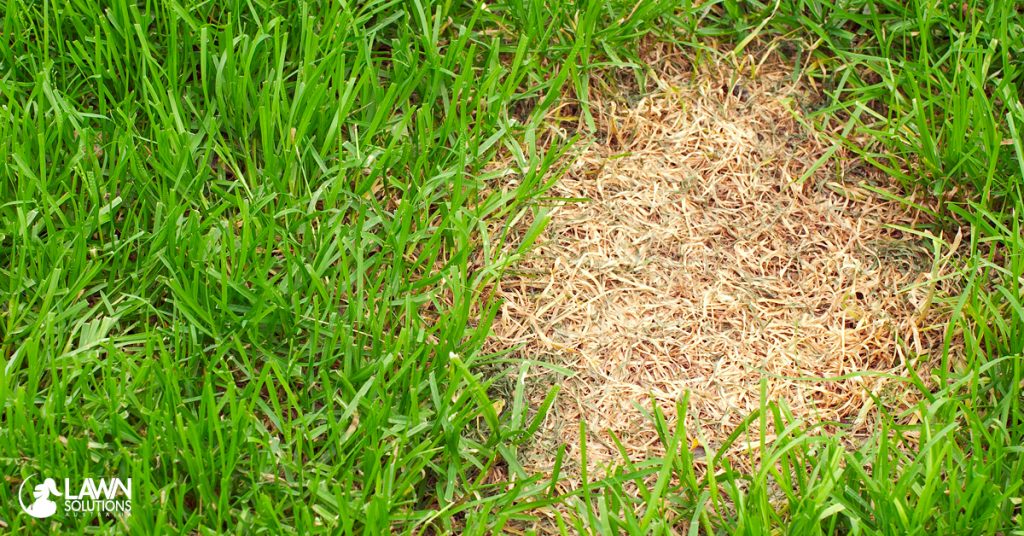
Summer can be brutal on a lawn.
What started out thick and green in early season can suddenly look:
If you’re wondering why your lawn looks thin after summer, the answer usually isn’t just heat.
Heat exposes weaknesses that were already developing beneath the surface.
Let’s break down what summer actually does to turf — and how to restore density properly.
If soil was compacted before summer began, roots likely stayed shallow.
Shallow roots mean:
When temperatures rise, shallow-rooted grass thins quickly.
Lawn aeration improves root depth and prepares turf to handle heat more effectively.
During extreme heat, grass needs:
Compacted soil blocks all three.
Instead of recovering overnight, turf remains stressed.
Repeated stress cycles cause thinning.
Many homeowners cut grass shorter in summer hoping to reduce mowing frequency.
This backfires.
Short grass:
Proper mowing height during summer protects density.
Weekly lawn maintenance prevents overcutting stress.
Low spots may stay soggy after irrigation.
High spots dry rapidly.
Uneven hydration creates uneven density.
Yard leveling restores balanced water distribution and supports uniform growth.
If summer thinning isn’t addressed structurally, problems carry forward.
Thin areas invite:
The longer thinning continues, the more aggressive restoration becomes.
Early correction protects long-term performance.
Restoration should focus on foundation — not cosmetic fixes.
Aeration restores airflow and encourages deeper rooting.
This is often the most important first step.
If buildup is present, dethatching improves water penetration and soil contact.
Strong anchoring improves density.
Top dressing enhances soil balance and promotes thicker regrowth.
Healthy soil supports uniform recovery.
Weekly mowing at proper height stabilizes growth patterns and prevents additional stress.
Consistency allows turf to rebuild.
A lawn that thins during summer can recover.
But only if the root causes are corrected.
Restoring density requires:
Surface treatments alone won’t fix thinning.
Structure restores strength.

If your lawn looks thin after summer, schedule your free consultation and let our team evaluate what’s limiting density beneath the surface.