Rain should help your lawn.
But for many homeowners, rain reveals problems instead of fixing them.
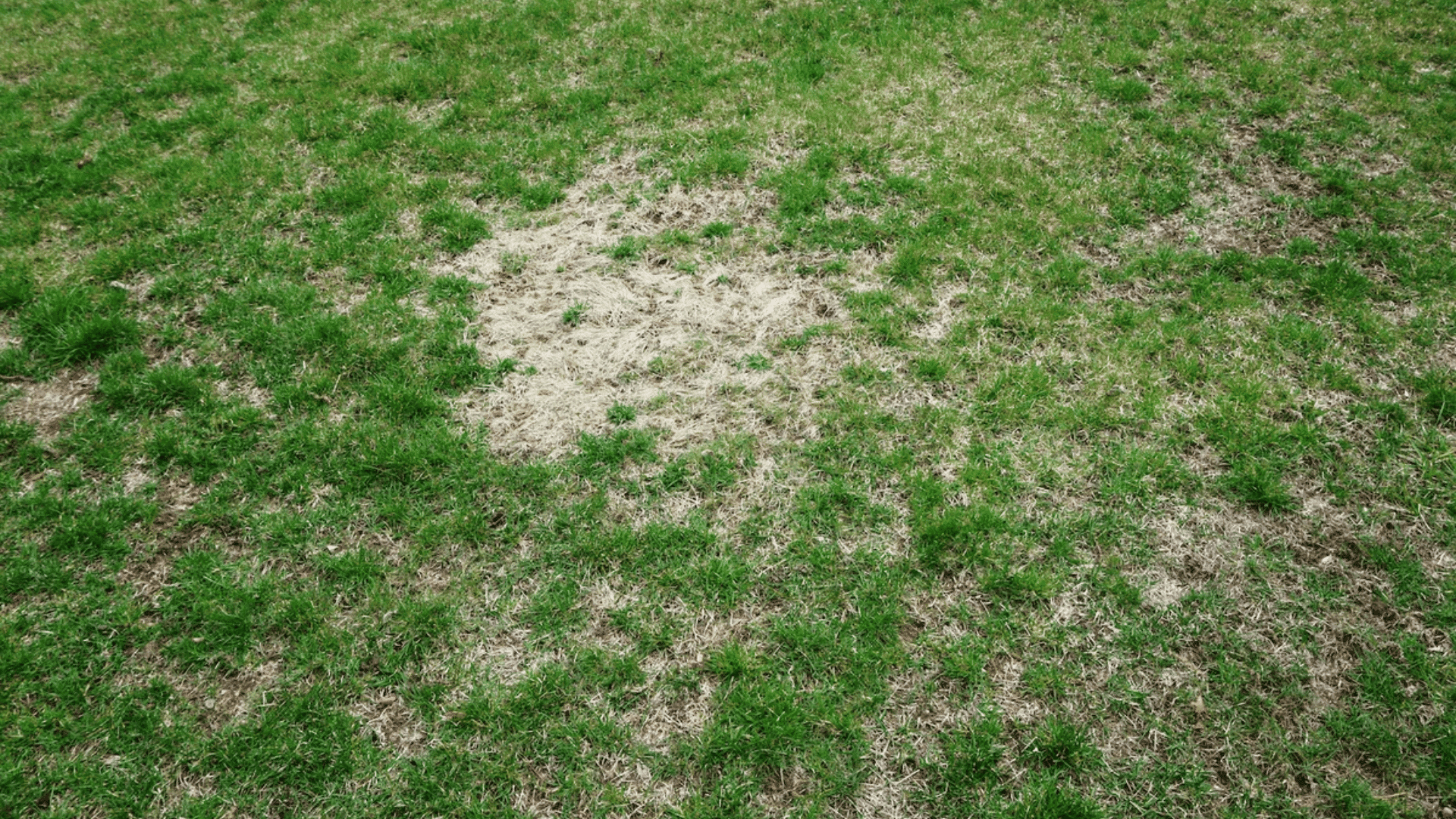
After a storm, you might notice:
If you’re wondering why your lawn looks worse after rain, the issue isn’t the rain.
It’s what rain exposes.
Rain highlights structural weaknesses in soil, grading, and drainage.
Here’s what’s really happening — and how to correct it properly.
One of the most common reasons a lawn looks worse after rain is improper drainage.
If water doesn’t flow evenly across the yard, it collects in low spots.
Standing water leads to:
Yard leveling corrects subtle grade imbalances and redistributes soil for proper slope.
Balanced grading prevents pooling.
Healthy soil absorbs water.
Compacted soil repels it.
When soil becomes too dense, rainwater sits on the surface instead of penetrating downward.
This creates:
Lawn aeration restores airflow and improves water penetration.
Breathable soil stabilizes turf after storms.
Even small depressions become noticeable after rain.
Low areas may:
Repeated oversaturation weakens roots and thins turf.
Top dressing can correct shallow dips.
More significant grade issues may require leveling.
If your lawn feels spongy after rain, excessive thatch may be trapping water near the surface.
Thatch buildup:
Professional lawn thatching removes organic buildup and improves soil contact.
Balanced soil structure reduces rain-related stress.
After rain, you may notice certain areas grow darker or faster.
That’s often due to moisture imbalance.
Wet zones receive more hydration.
Higher areas dry faster.
This creates visible inconsistency in color and texture.
Correcting grading and compaction restores uniform growth patterns.
If rain consistently makes your lawn look worse, underlying issues will compound.
Over time, you may experience:
Addressing structural issues early prevents major restoration later.
A structured solution may include:
Surface drying alone does not solve the root problem.
Structure restores resilience.
A healthy lawn should:
If rain exposes weaknesses, it’s time to correct the foundation.

If your lawn looks worse every time it rains, schedule your free consultation and let our team evaluate drainage, compaction, and grading to restore balance and stability.